Why Gin Bar NYC Spots Are Redefining the City’s Cocktail Scene
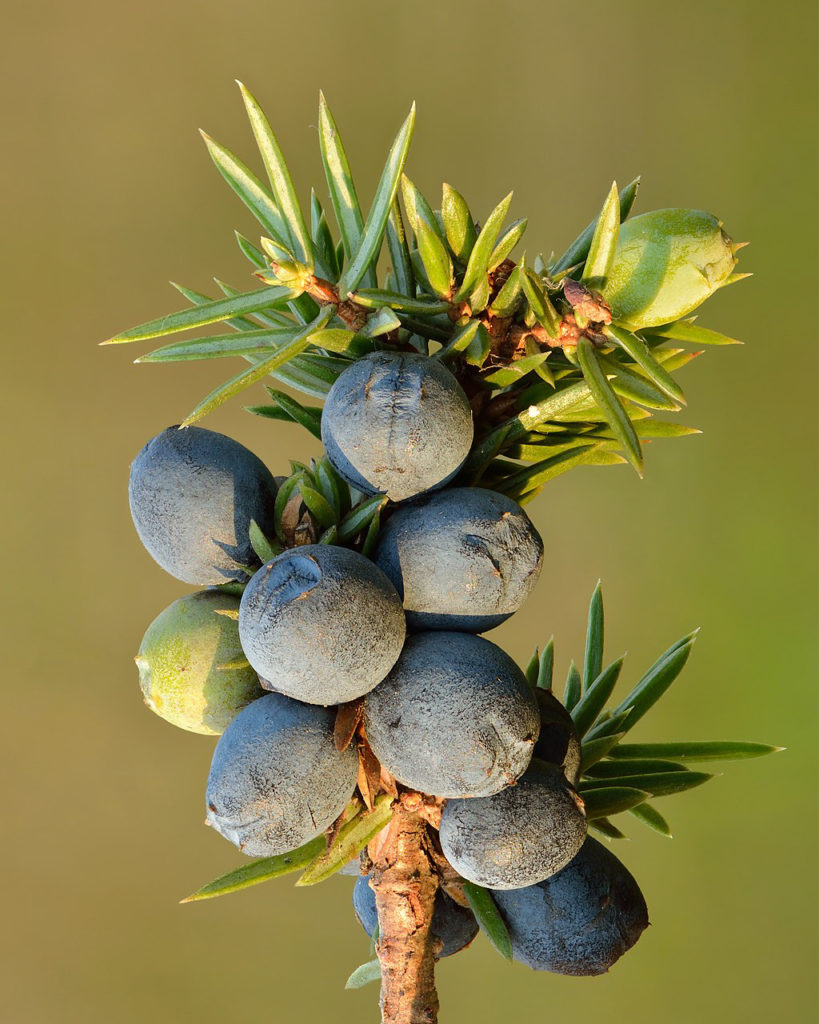
New York has always treated drinking as a form of culture, not just consumption. You can see it in the old hotel bars that still polish silver like it matters, in tiny neighborhood haunts where the bartender remembers your last order, and in ambitious rooms where the back bar looks more like a private library than a liquor display. For years, the city’s cocktail identity leaned heavily on whiskey, classic American drinks, and the revival of pre-Prohibition standards. That world still thrives. But a quieter, more interesting shift has taken hold, and it is happening through gin.
The rise of the modern Gin Bar NYC crowd is not about one spirit suddenly becoming fashionable. It reflects something bigger in how New Yorkers want to drink now. People want precision without stiffness, variety without gimmicks, and cocktails that taste alive rather than merely strong. Gin, with its botanical structure and remarkable range, gives bars room to do all of that. It is helping reshape menus, service styles, and even the atmosphere of the city’s best cocktail spaces.
That change is worth paying attention to because gin bars are not simply serving martinis and G&Ts with prettier garnishes. The strongest ones are rethinking what a cocktail bar can feel like in a city that is saturated with options and short on patience.
The spirit itself fits the city
Gin works in New York for the same reason the city works on ambitious people. It rewards nuance, tolerates reinvention, and has very little interest in standing still.
Unlike darker spirits that often carry a fixed identity from barrel aging, gin arrives at the bar with a broader expressive range. London dry brings snap and structure. Contemporary styles may lean floral, citrusy, savory, herbaceous, or almost marine. The base spirit can disappear behind the botanicals or shine through cleanly, depending on how it is made. For bartenders, that creates an unusually flexible canvas. For guests, it means one category can satisfy several moods in a single week.
A guest who wants something cold, bracing, and elegant can drink a martini. Someone looking for lift and bitterness can have a white negroni. Another person may want something long, crisp, and almost spa-like, made with cucumber, mint, or tonic that actually tastes like quinine rather than sugar. A well-run gin-focused bar can serve all three people convincingly without seeming scattered.
That range matters in New York, where bars are expected to be many things at once. A place might host an early date at six, a business catch-up at eight, and an industry-heavy late crowd after ten. Gin handles those shifts with ease.
Gin bars are building menus with more intelligence
One of the most noticeable changes in the city’s better gin bars is the quality of menu design. Not just the drinks themselves, but the thinking behind them.
A decade ago, many cocktail menus in the city felt like auditions. Every drink was trying to prove how clever the bar team was. You saw smoked glassware, excessive tinctures, laundry lists of ingredients, and names that worked harder than the cocktails did. The better gin bars have moved in the opposite direction. They tend to be more edited. More exact. Less interested in spectacle for its own sake.
That restraint is not accidental. Gin punishes lazy composition. If citrus is out of balance, you notice. If the vermouth is oxidized, you notice. If the tonic is overly sweet, you definitely notice. Because gin often presents itself with clarity rather than weight, sloppy technique cannot hide under oak, smoke, or sugar. Good gin bars know this, so they build drinks with cleaner lines.
The result is a style of menu that often feels more modern than menus at bars centered on heavier spirits. There is more attention to temperature, dilution, salinity, carbonation, and garnish aroma. A twist is not decoration. It is part of the architecture. A tonic choice is not an afterthought. It changes the whole drink.
That level of detail has raised the standard across the city. When guests get used to a martini served at the proper temperature, in proper glassware, with a deliberate choice of garnish and dilution, they start expecting that care elsewhere. Gin bars, in that sense, are educating the market without lecturing it.
The martini has returned, but it came back smarter
No discussion of the current scene works without the martini. It has reemerged in New York as both a social symbol and a genuine benchmark of quality. But what is interesting is how gin bars have handled that return.
The lazy version of the martini revival is pure image. Cold glass, olives, moody lighting, maybe a silver tray. That can be fun, and New York has always appreciated theater. But the bars that are truly redefining the scene are going further. They are treating the martini as a study in control.
At strong gin bars, the questions get sharper. Which gin gives the right level of juniper for this build? Which vermouth supports rather than mutes the spirit? Is the drink better from the freezer, from a stirred build with intense chilling, or from a batched service that ensures consistency during a rush? Should the garnish push citrus oils, brine, or savory depth? How wet is wet, really, when guests often use the word without meaning the same thing?
Those are not academic concerns. They shape the guest experience immediately. A martini that hits the table at the right temperature with exact dilution feels seamless. One that is even slightly overworked, too warm, or heavy-handed with vermouth can feel flat and tired within minutes.
Some of the most compelling Gin Bar NYC programs understand that guests now arrive with more awareness. They may not know the technical vocabulary, but they know when a drink feels sharp, poised, and complete. They also know when they are paying twenty-plus dollars for branding instead of craft. Gin bars that earn loyalty get the substance right first.
Tonic is finally getting the respect it deserves
For years, gin and tonic was treated as the easiest drink on the menu, which often meant it was treated carelessly. Cheap tonic, poor carbonation, oversized glasses packed with dull ice, random garnishes chosen for appearance rather than aroma. The drink survived because gin is forgiving enough and people wanted something refreshing.
That era is fading in serious cocktail spaces. Better gin bars in New York now approach the gin and tonic with the same thought they give a stirred classic. They pay attention to the bitterness level of the tonic, the sugar content, the bubble structure, and the size and density of the ice. They consider how a rosemary sprig behaves differently from grapefruit peel, or how a more savory gin can disappear under a tonic that is too loud.
This sounds minor until you taste the difference. A properly built gin and tonic has tension. It should feel crisp, bright, aromatic, and dry enough to invite another sip. It should not drink like flavored soda.
That upgrade matters because the G&T is often the gateway drink for people who are not yet deep cocktail enthusiasts. When a bar nails it, gin becomes more approachable, not less. It invites people into the category without forcing them into bartender jargon or challenging Gin Bar NYC flavor combinations.
These bars understand hospitality, not just recipes
The best gin bars are redefining the city’s scene partly because they Gin Bar NYC tend to be good at hospitality. That might sound obvious, but in New York it is not a given. The city has no shortage of bars with excellent drinks and indifferent service.
Gin-focused spaces often do better because the category encourages conversation. A guest may not know whether they prefer a classic juniper-forward gin or a softer, citrus-led style. They might need a quick explanation of why one martini reads savory and another reads floral. They may want something lower in alcohol without feeling like they have chosen the boring option.
A skilled bartender can use those moments to guide rather than perform. That distinction matters. The old cocktail revival sometimes prized expertise so visibly that the guest felt like an audience member. The newer gin bar model tends to be more relaxed. There is still knowledge behind the stick, often a lot of it, but the best bartenders translate it into useful language.
A simple exchange can change the tone of the night. Ask a guest whether they want something crisp or textural instead of reciting ten obscure botanicals, and the barrier drops. Offer a half-size martini or a lower-proof spritz built around gin, and more people can participate. Suggest a savory drink to someone who usually orders dirty martinis but wants a change, and suddenly the menu opens up.
That style of service is redefining the scene as much as any specific cocktail trend.
Design plays a role, but not the one most people think
Many of the city’s better gin bars have attractive interiors, and some are undeniably photogenic. Marble counters, polished brass, jewel-toned banquettes, stemware that catches the light. Yet the real design shift is not about social media appeal. It is about creating rooms that support the way gin drinks are enjoyed.
Gin cocktails often favor attention over brute force. They reward guests who linger, smell the garnish, notice texture, and take smaller, colder sips. That means the room has to help the drink. Too much noise and the experience becomes rushed. Harsh lighting flattens the atmosphere. Seating that forces people to hunch over tiny unstable tables makes stemmed drinks feel awkward and precarious.
The bars getting it right build an environment where precision feels natural rather than precious. The music is present but not punishing. The bar top has enough space for proper service. Glassware feels intentional in the hand. Staff can move efficiently without making the room feel transactional.
In a city where many venues are fighting for turnover, that choice is notable. It suggests confidence. A bar centered on gin is often betting that guests will appreciate finesse and stay for a second round because the experience is coherent, not because the room is shouting for attention.
Food programs are sharper than they used to be
One underrated factor in the rise of the Gin Bar NYC scene is food. Gin has always been a natural partner for certain flavors, especially briny, herbal, citrusy, and lightly spiced dishes. But many bars treated food as an obligation rather than an extension of the drinks.
That is changing. More gin-driven bars now serve menus that understand the spirit’s strengths. Oysters, crudo, pickled vegetables, layered tinned fish service, cold salads with herbs, roast chicken with assertive seasoning, even properly handled fries with aioli or anchovy-heavy sauces can all work beautifully with gin cocktails. The common thread is brightness and salinity, not heaviness.
This creates a better kind of night out. Guests can settle in, move through different styles of drink, and actually eat food that belongs with what is in the glass. It also broadens the audience. Not everyone wants a pure cocktail destination. Many people want a place that can begin as dinner and end as drinks without a drop in quality.
When bars solve that equation, they become part of the city’s regular rhythm rather than one-off occasions.
The movement reflects a more global palate
New York’s gin scene also benefits from the spirit’s international breadth. Whiskey culture in the city often tilts toward familiar American and Scottish narratives. Gin opens other doors. A bartender can pour a classic London dry, then point a guest toward a Japanese gin with yuzu and sansho, an Australian bottle with native botanicals, or a Spanish-style serve that changes the role of tonic and garnish entirely.
That global dimension fits the city naturally. New Yorkers are used to cross-pollination. They do not need a menu to stay inside one national tradition. Gin bars can reference British highball culture, Italian aperitivo structure, Japanese restraint, and Mediterranean garnish logic in a single service without feeling confused. If anything, that blend feels honest to how people eat and drink in the city now.
It also encourages more thoughtful experimentation. Bartenders working with gin can build drinks that pull from culinary traditions without turning the glass into a novelty act. Kaffir lime, green peppercorn, shiso, fennel, dill, preserved citrus, and saline all have a place when used with control. The best bars know where the line is. They can make a drink feel contemporary without making it unreadable.
Why this trend has staying power
Some trends in New York burn bright and disappear by the next lease cycle. Gin’s current momentum feels more durable because it is tied to structural preferences, not just fashion.
People are drinking more selectively. Many guests would rather have two excellent cocktails than four forgettable ones. They are also more conscious of pacing, which gives gin an advantage. A bar can offer lower-proof spritzes, aperitif-style serves, and lighter shaken drinks alongside stronger classics without breaking its identity. That flexibility suits current habits better than a menu built mostly around boozy heavyweights.
There is also the reality of seasonality. In New York, a spirit that can work in humid August and sharp January has a built-in advantage. Gin can be icy, bright, and tonic-driven in summer, then turn savory, resinous, and stirred in colder months. Few categories adapt so easily.
The economics help too. From an operator’s perspective, gin allows a broad menu with distinct flavor profiles without requiring every drink to depend on expensive niche ingredients. That does not mean great gin programs are cheap to run. Quality vermouth, fresh citrus, premium tonic, proper refrigeration, good glassware, and staff training all cost money. But a thoughtful gin bar can express creativity with efficiency, which matters in a city where margins are always under pressure.
Not every gin bar gets it right
The category’s success has also led to weaker imitations. Some venues use gin as a branding shortcut, leaning on vintage glassware and martini imagery while offering shallow drinks and undertrained staff. Others overload menus with floral or cucumber-heavy profiles, as if “refreshing” were the only note gin can hit. A few mistake maximal garnish for sophistication.
Those bars tend not to hold attention for long. Guests in New York may try a place once for the room or the hype, but repeat business goes to spots that deliver consistency. With gin, consistency is not easy. Freezer temperatures fluctuate. Vermouth has a short useful life once open. Citrus quality changes week to week. Stirring technique matters. Tonic loses carbonation. Ice quality can make or break a delicate serve.
That is exactly why the best bars stand out. They are not coasting on a trend. They are doing difficult, quiet work well.
What to pay attention to when you visit one
If you want to understand whether a gin bar is genuinely moving the city forward, watch the details. Notice whether the bartender asks useful questions or defaults to a script. See if the menu explains enough without overexplaining. Pay attention to temperature, garnish condition, and glassware choice. Order something deceptively simple. A martini, a gin and tonic, maybe a negroni variation or a Collins. Simple drinks expose standards quickly.
A strong bar usually reveals itself in a few clear ways:
- The classics taste precise, not generic.
- The staff can guide different experience levels without condescension.
- The room supports conversation and steady drinking.
- The menu shows restraint as well as imagination.
- The details, from ice to vermouth storage, feel managed rather than improvised.
That combination is rarer than it sounds, which is why people remember the places that achieve it.
The bigger shift in the city
What gin bars are changing in New York is not just the popularity of one spirit. They are restoring attention to balance, hospitality, and clarity at a time when many drinkers have grown tired of excess. They prove that a bar can be stylish without being hollow, serious without being rigid, and creative without disappearing into tricks.
That has ripple effects. Other cocktail bars sharpen their martinis. Restaurants take their G&T programs more seriously. Guests learn to expect colder drinks, better garnish discipline, and menus with a point of view. The city’s standards move upward through repetition, one well-made drink at a time.
New York’s cocktail scene has always reinvented itself through pockets of obsession. Sometimes it starts with a neighborhood, sometimes with a bartender, sometimes with a single serve that catches on. Right now, one of the clearest engines of that reinvention is the rise of the thoughtful Gin Bar NYC destination, places that understand the spirit deeply enough to make it feel both timeless and new.
That is why these bars matter. They are not reviving the past for nostalgia’s sake. They are using one of the world’s most versatile spirits to define what sophisticated drinking looks like in New York right now: focused, confident, and alive to detail.
The Winslow
243 E 14th St
New York, NY 10003, United States
Phone: +1 212-777-7717
FAQ About Gin Bar NYC
How to do a gin tasting?
Start with a small pour and gently smell the gin before taking a small sip. Notice its juniper, citrus, floral or spice notes, then compare how the flavor changes with a little water or tonic. At a gin bar, ask the bartender to explain the selection and botanical pairings.
How to make the best tasting gin and tonic?
Use chilled gin, fresh tonic and plenty of ice. A common starting ratio is one part gin to two parts tonic, adjusted to taste. Choose a garnish that complements the gin's botanicals and stir gently to preserve the bubbles.
What is the smoothest tasting gin?
There is no single smoothest gin for everyone. Perceived smoothness depends on the botanical recipe, alcohol strength, serving temperature and mixer. Describe whether you prefer citrus, floral, herbal or juniper-forward flavors so a bartender can suggest a suitable style.